Designing and constructing a modern residential building in Nepal is a journey that combines creativity, engineering, and strict compliance with local laws. With urban areas expanding rapidly and lifestyles evolving, homeowners now seek residences that are not only functional but also reflect personal style, sustainability, and resilience against Nepal’s unique environmental challenges.
From conceptualizing the architectural design to understanding legal regulations, building a home requires a thoughtful approach to achieve a safe, beautiful, and long-lasting residence.
Table of Contents
Understanding Modern Residential Architecture in Nepal
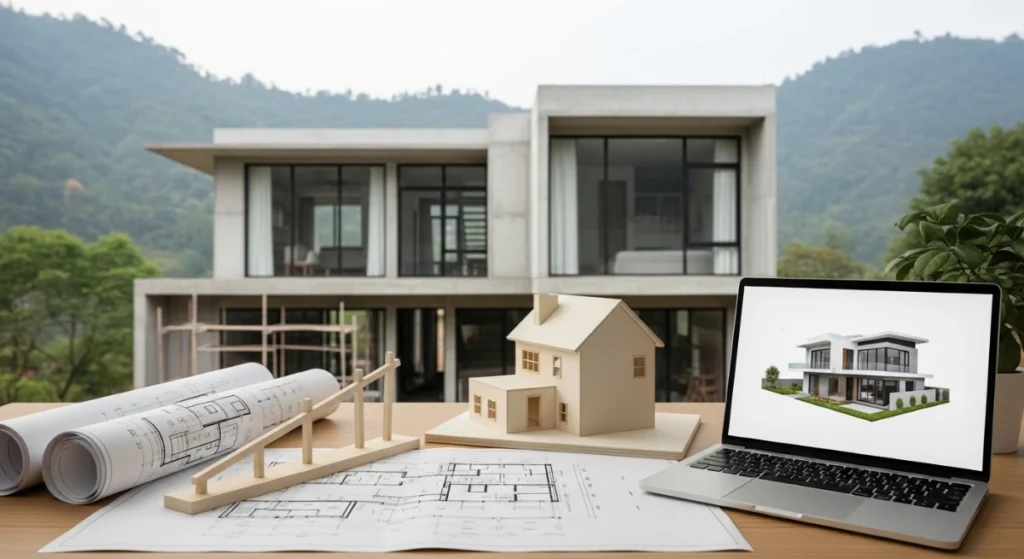
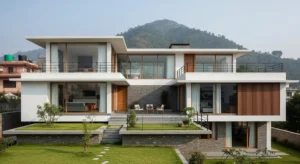
Modern residential architecture focuses on clean lines, functional spaces, and efficient use of natural resources. Unlike traditional homes with ornate façades, modern designs emphasize simplicity, integration with the environment, and maximized natural lighting. In Nepal, architects balance modern aesthetics with local construction practices, cultural preferences, and climatic considerations.
Key characteristics of modern residential architecture in Nepal include:
- Open floor plans for better space utilization
- Large windows and natural lighting to reduce electricity dependence
- Minimalistic design that reduces construction complexity and cost
- Earthquake-resistant structural systems compliant with local codes
- Integration of outdoor spaces, terraces, and green areas
Adopting these principles ensures homes are visually appealing, functional, and resilient, particularly in earthquake-prone regions like Kathmandu Valley and hilly districts.
Step 1: Land Selection and Site Analysis
Before any design work begins, selecting the right plot is critical. Land in urban areas like Kathmandu, Lalitpur, or Pokhara can be expensive, so careful consideration is necessary. Key factors include:
- Topography: Sloped land may require retaining walls and additional structural support.
- Sunlight and ventilation: Orienting the building for optimal light and airflow improves energy efficiency.
- Access and road connectivity: Municipal roads and transportation ease construction logistics.
- Legal verification: Ensure land ownership is clear, and zoning allows residential construction.
Professional architects often conduct a site survey to understand soil conditions, plot shape, and any environmental restrictions before creating design proposals.
Step 2: Conceptualizing the Design
Modern residential architecture in Nepal requires a balance between aesthetics and practicality. Architects begin with a concept design, which outlines the basic layout, style, and functional zones of the house. This stage includes:
- Floor plan sketches showing room arrangements
- Exterior and interior elevation concepts
- Preliminary structural framework ideas
- Considerations for sustainability, such as rainwater harvesting or solar panels
Homeowners should collaborate closely with architects at this stage, sharing lifestyle needs, future expansion plans, and design inspirations. Effective communication prevents costly changes later during construction.
Step 3: Detailed Architectural and Structural Planning
Once the concept is approved, architects and structural engineers create detailed plans that form the basis for construction. These include:
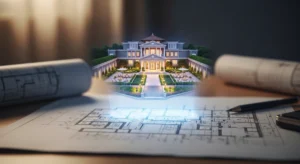
- Architectural drawings: Floor plans, elevations, sections, and 3D visualizations
- Structural drawings: Foundations, columns, beams, slabs, and reinforcements
- Electrical and plumbing layouts: Positioning of wiring, outlets, water supply, and drainage
- Material specifications: Cement grade, steel type, tiles, and finishes
In Nepal, following the Nepal National Building Code and municipal regulations is mandatory. Structural designs must be earthquake-resistant, especially in seismic zones. Licensed engineers are responsible for ensuring that the building can withstand earthquakes, landslides, and other environmental stresses.
Step 4: Legal Requirements and Permits
Legal compliance is a crucial aspect of residential construction in Nepal. Obtaining the necessary permits ensures that your building meets safety and municipal standards. Common steps include:
- Submitting the land ownership certificate (Lalpurja)
- Presenting architectural and structural drawings approved by a licensed engineer
- Providing a soil test report if required by the municipality
- Paying municipal fees and application charges
- Ensuring compliance with setback rules, height limits, and floor area ratio (FAR)
Municipal authorities often conduct inspections at various stages of construction. Skipping legal procedures can result in fines or demolition orders, so homeowners are strongly advised to comply with all rules.
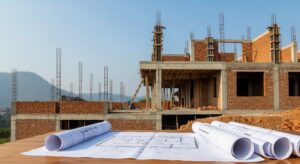
Step 5: Construction Process
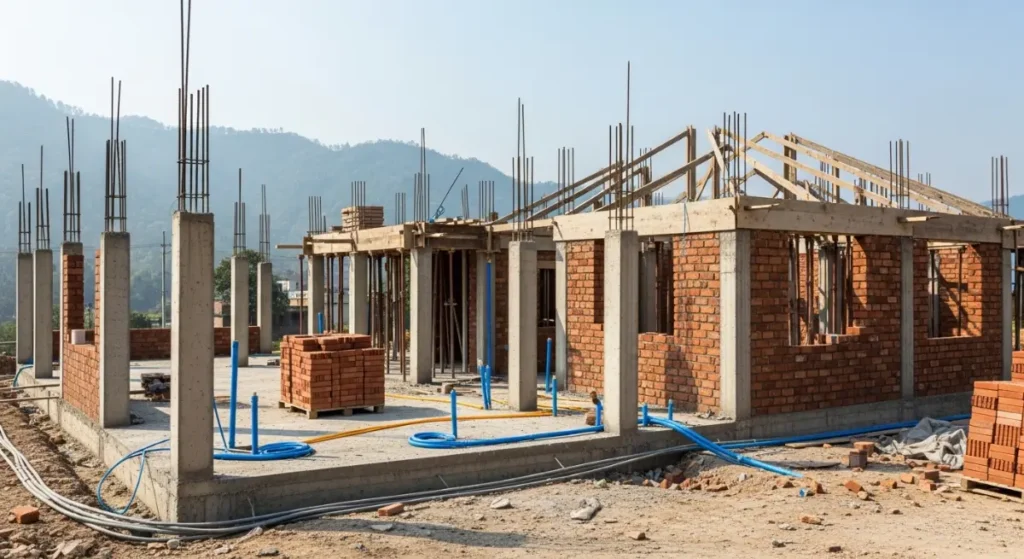
Modern residential construction in Nepal follows a phased approach:
1. Foundation and Structural Framework
A strong foundation is the backbone of a resilient home. Excavation, laying concrete footings, and constructing columns and beams form the structural skeleton. Engineers supervise to ensure materials meet required quality standards.
2. Wall and Roof Construction
Walls are typically built using reinforced concrete frames filled with bricks or hollow blocks. Roofs may consist of RCC slabs or lightweight roofing systems, depending on design preference.
3. Plumbing and Electrical Installation
Plumbing pipes and electrical conduits are installed before finishing works to avoid later damage. Certified professionals are crucial at this stage to prevent leaks, short circuits, or fire hazards.
4. Finishing and Interior Design
Finishing work includes plastering, painting, flooring, doors, windows, and cabinetry. Modern homes in Nepal often include modular kitchens, stylish bathrooms, and integrated storage solutions to maximize utility.
Step 6: Cost Considerations
The total cost of building a modern home in Nepal depends on factors such as location, materials, labor, and design complexity. Typical components of cost include:
- Land preparation and foundation works
- Structural materials like steel, cement, and bricks
- Labor charges
- Electrical, plumbing, and mechanical installations
- Interior finishes and fixtures
- Professional fees and permits
Urban areas like Kathmandu Valley have higher labor and transport costs. Smart budgeting, using locally available materials, and avoiding frequent design changes help homeowners stay within budget.
Step 7: Sustainable and Energy-Efficient Design
Modern residential architecture in Nepal increasingly emphasizes sustainability. Key features include:
- Solar water heaters and photovoltaic panels
- Rainwater harvesting systems
- Energy-efficient lighting and appliances
- Proper insulation to reduce heating and cooling costs
- Green terraces or small rooftop gardens
Incorporating sustainable elements not only reduces long-term expenses but also contributes positively to the environment.
Step 8: Common Challenges in Residential Construction
Despite careful planning, homeowners often face challenges such as:
- Delays in municipal approvals
- Material shortages or price fluctuations
- Labor skill gaps
- Natural hazards such as monsoon rains or earthquakes
- Budget overruns due to design modifications
Hiring experienced contractors and maintaining active supervision can mitigate most of these issues.
Step 9: Final Inspection and Handover
Once construction is complete, municipalities usually conduct a final inspection to verify compliance with approved plans. Homeowners receive a completion certificate, which is necessary for:
- Utility connections like water and electricity
- Home loan approvals
- Resale or legal transfer of property
Ensuring that inspections are passed and documentation is complete protects homeowners from future legal complications.
Integrating Modern Architecture with Nepali Culture
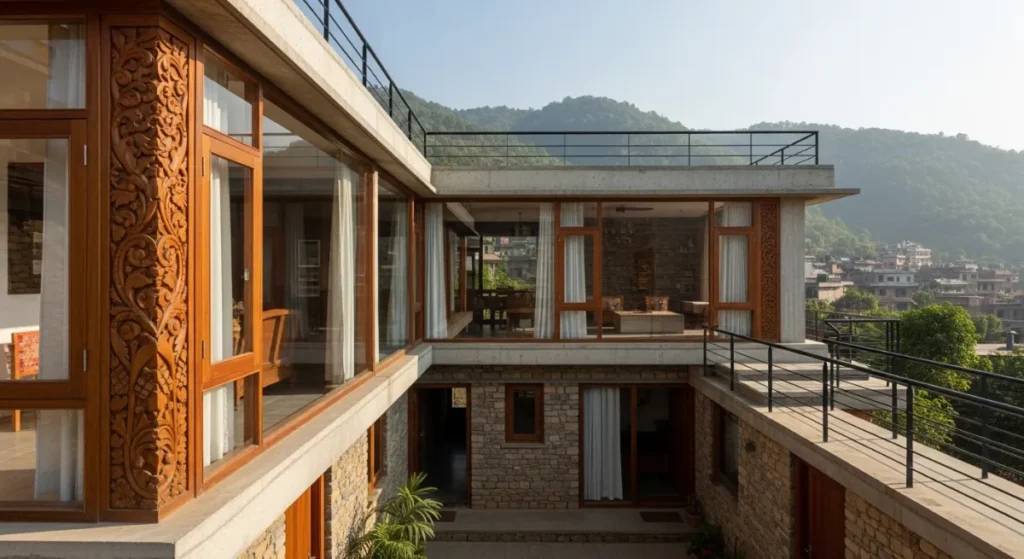
Modern homes in Nepal are not limited to concrete and steel. Thoughtful design often blends traditional elements with contemporary aesthetics, such as:
- Courtyards inspired by traditional homes for natural ventilation
- Local materials like stone or wood for aesthetic and cultural resonance
- Terraces or verandas to enjoy the natural landscape
A harmonious blend of modern design and cultural elements creates homes that are functional, stylish, and rooted in Nepali heritage.
Integrating Modern Architecture with Nepali Culture
Constructing a modern residential architecture in Nepal requires careful planning, adherence to laws, and collaboration with skilled professionals. From land acquisition and architectural design to construction and legal approvals, each step is critical in creating a safe, durable, and aesthetically pleasing home.
For homeowners seeking expert guidance, modern designs, and hassle-free construction services, RG Creations Nepal offers comprehensive solutions. By combining architectural expertise, knowledge of local laws, and practical construction experience, they help turn your dream home into a reality while ensuring compliance, quality, and durability.
Let's Connect Today or Follow our Direction
Frequently Ask Questions(FAQs)
What makes Modern Residential Architecture in Nepal different from traditional designs?
Unlike traditional homes that often feature ornate and heavy facades, modern designs focus on clean lines, open floor plans, and minimalism.
It prioritizes maximizing natural light, functional space utilization, and energy efficiency, while still finding ways to respectfully integrate local cultural elements.
Is it mandatory to follow earthquake-resistant guidelines?
Yes, absolutely. A critical component of Modern Residential Architecture in Nepal is strict adherence to the Nepal National Building Code.
Licensed engineers design homes using reinforced concrete (RCC) frames and specific steel grades to ensure the building can withstand the region's seismic activity.
How long does the process of building a modern house in Nepal take?
Typically, the entire process takes about 8 to 14 months. This timeline includes site analysis, conceptualizing the design, waiting for municipal permit approvals, laying the foundation, and completing all interior finishing work.
How can I make my new home more eco-friendly and energy-efficient?
Sustainability is a major focus in Modern Residential Architecture in Nepal.
Homeowners are highly encouraged to integrate solar water heaters, photovoltaic panels, rainwater harvesting systems, and large windows for cross-ventilation to reduce long-term energy and water costs.
What legal permits do I need before starting construction?
Before building, you must obtain municipal approvals.
This involves submitting your land ownership certificate (Lalpurja), architectural and structural drawings signed by a licensed engineer, and ensuring your design complies with local setback rules and height limits.
Can I include traditional Nepali cultural elements in a contemporary home?
Yes! One of the most beautiful aspects of Modern Residential Architecture in Nepal is how easily it blends with local heritage.
Architects frequently incorporate traditional courtyards, local stone materials, and subtle woodcarvings into modern, open-concept layouts to create a home that is both stylish and rooted in culture.