Building a home in Nepal is more than a construction project. It is an emotional milestone, a financial investment, and a long-term security plan for families. Whether you are planning to build a small single-story house in a rural municipality or a modern multi-floor home in Kathmandu Valley, understanding the construction process, cost structure, and legal requirements in Nepal is essential.
Many homeowners begin construction without full knowledge of permits, building bylaws, soil testing, or earthquake safety rules. This often leads to delays, extra expenses, or even legal issues. This guide is written to help you understand the entire journey of residential building construction in Nepal in clear and practical language, based on real industry practices.
Table of Contents
Understanding Residential Construction in Nepal
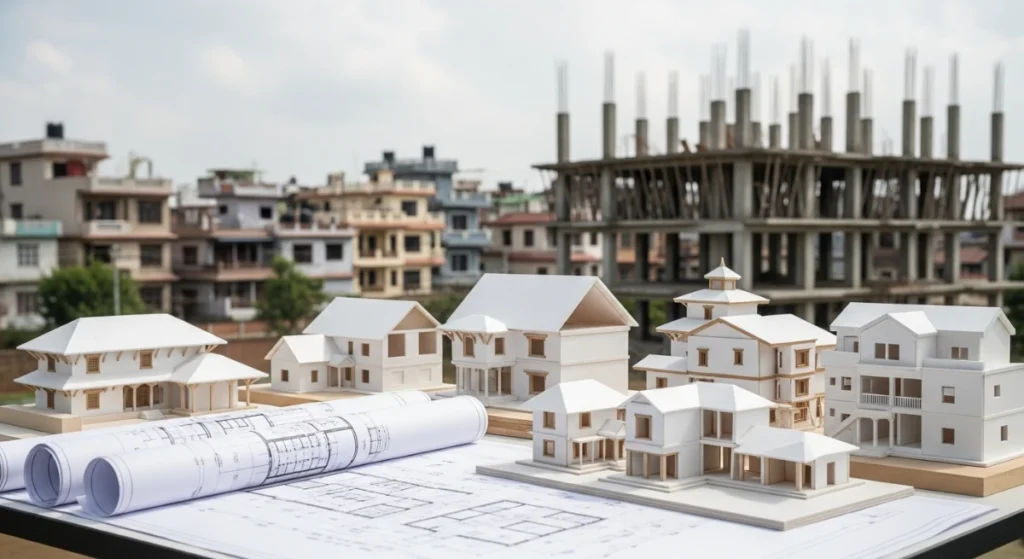
Residential building construction in Nepal refers to the process of planning, designing, approving, and constructing houses intended for living purposes. This includes individual houses, duplex homes, apartment blocks, and housing colonies.
Nepal’s geography, seismic risk, and evolving urban planning rules make construction slightly more complex than in many other countries. Municipalities regulate building design, height, setbacks, and safety compliance. Meanwhile, rising material costs and labor demand affect budgeting. A successful home project balances legal compliance, smart design, and cost planning.
Step 1: Land Ownership and Verification
Before planning your house, you must ensure your land is legally clear for construction.
Key checks include:
- Verifying land ownership certificate (Lalpurja)
- Checking land category (residential zoning)
- Ensuring no pending legal disputes
- Confirming road access and right of way
- Checking municipality zoning plans
Some agricultural lands require land-use conversion approval before residential construction. Many first-time builders overlook this step, which later causes permit rejection. It is wise to consult your municipality or a civil engineer before purchasing land.
Step 2: Soil Testing and Site Survey
Nepal lies in a high seismic zone. Soil strength plays a critical role in foundation design and earthquake safety.
A geotechnical soil test helps determine:
- Soil bearing capacity
- Water table depth
- Suitable foundation type
- Risk of settlement
While soil testing slightly increases initial cost, it prevents structural failures and expensive foundation corrections later. Most municipalities in urban areas now recommend or require soil testing for new buildings.
Step 3: House Planning and Architectural Design
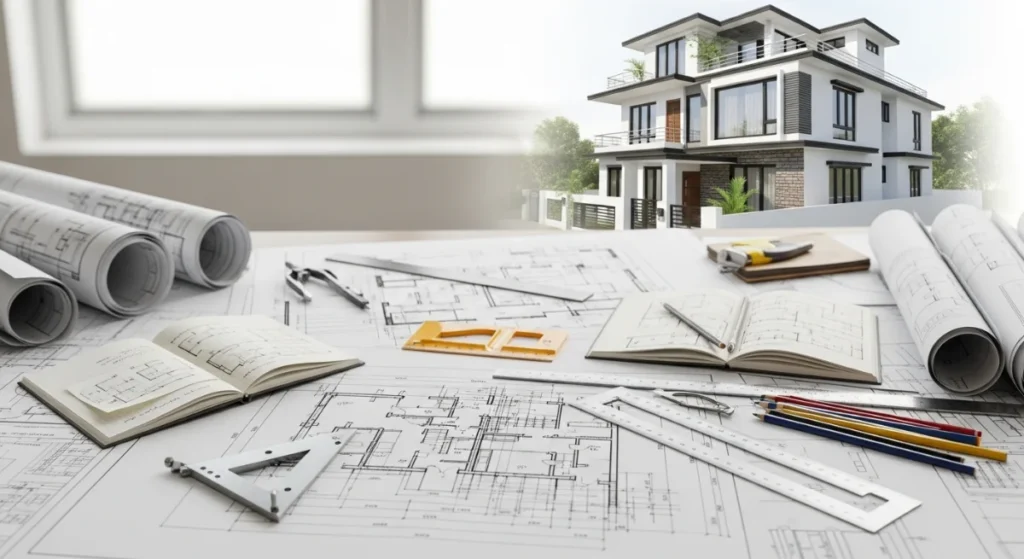
Once land is ready, the design stage begins. A well-planned design improves space usage, ventilation, sunlight, and long-term comfort.
The design phase usually includes:
- Architectural floor plans
- Elevation and 3D views
- Structural drawings
- Electrical and plumbing layout
- Septic and drainage design
Professional architects and civil engineers ensure your design complies with Nepal National Building Code and municipal bylaws. Designs made without licensed professionals are often rejected during permit application.
Good design also helps control construction cost by avoiding unnecessary complexity.
Step 4: Building Permit and Municipality Approval
This is one of the most important legal steps in Nepal’s construction process.
Before starting construction, you must obtain a building permit from your local municipality or rural municipality office.
Typical documents required:
- Land ownership certificate copy
- Tax clearance of land
- Approved architectural and structural drawings
- Soil test report (in many municipalities)
- Neighbour consent form in some areas
- Application forms and fees
Municipality engineers review:
- Building height limits
- Floor area ratio (FAR)
- Setback distances
- Road width compliance
- Structural safety
Only after permit approval can construction legally begin. Building without a permit can result in fines, demolition orders, or utility service refusal later.
Step 5: Estimating Construction Cost in Nepal
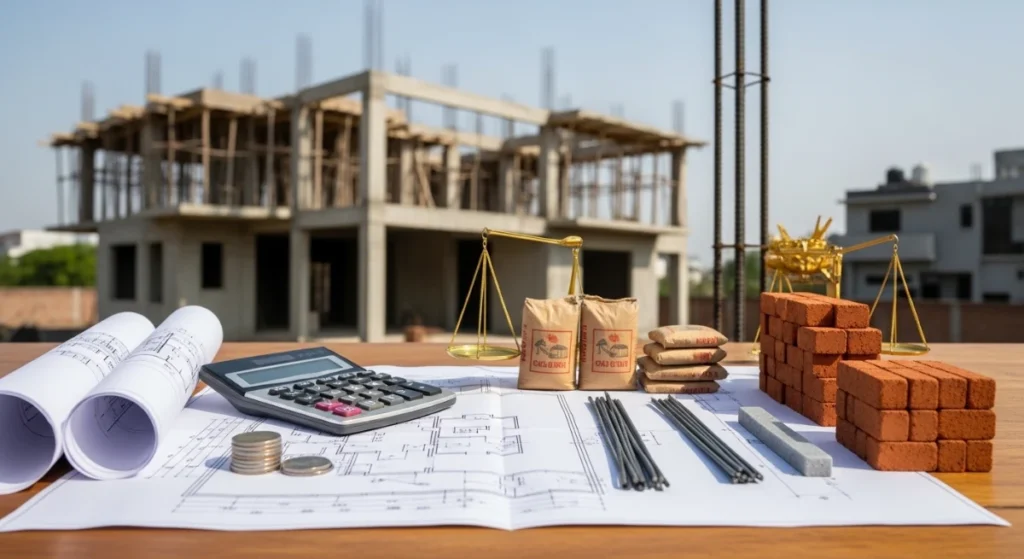
Construction cost in Nepal depends on location, material quality, design complexity, and finishing standard.
Major cost components include:
- Foundation and structural works
- Bricks, cement, steel
- Labor wages
- Plumbing and electrical
- Doors, windows, flooring
- Paint and finishing
- Water tank and sanitation
- Professional fees and permits
In urban areas like Kathmandu, Lalitpur, and Pokhara, labor and material transport costs are higher. Rural areas may save on labor but face material delivery challenges.
Cost planning tips:
- Always prepare a detailed BOQ (Bill of Quantities)
- Keep 10 to 15 percent contingency budget
- Avoid frequent design changes after construction starts
- Choose locally available materials when possible
Proper cost planning prevents project delays and loan overuse.
Step 6: Selecting a Construction Method
Homeowners in Nepal typically choose one of these construction approaches:
Contractor-based construction: You hire a construction company that handles labor, materials, and supervision. This is convenient but needs careful contract terms.
Labor-only contract: You purchase materials yourself and hire labor teams. This gives cost control but requires close supervision.
Turnkey construction: One company handles everything from design to handover. This is ideal for busy homeowners but slightly higher in cost.
Whichever method you choose, always sign a written contract defining:
- Project timeline
- Payment schedule
- Material quality
- Warranty terms
- Penalty for delays
Step 7: Structural Construction Phase
After approvals, construction begins on-site.
Typical stages:
- Site clearing and excavation
- Foundation construction
- Column and beam casting
- Brick wall construction
- Slab casting for floors
- Staircase construction
- Roof slab or roofing
Structural work must follow approved drawings exactly. Unauthorized changes can lead to structural weakness and permit violation. Regular supervision by a licensed engineer is strongly recommended.
Step 8: Plumbing, Electrical, and Sanitation Work
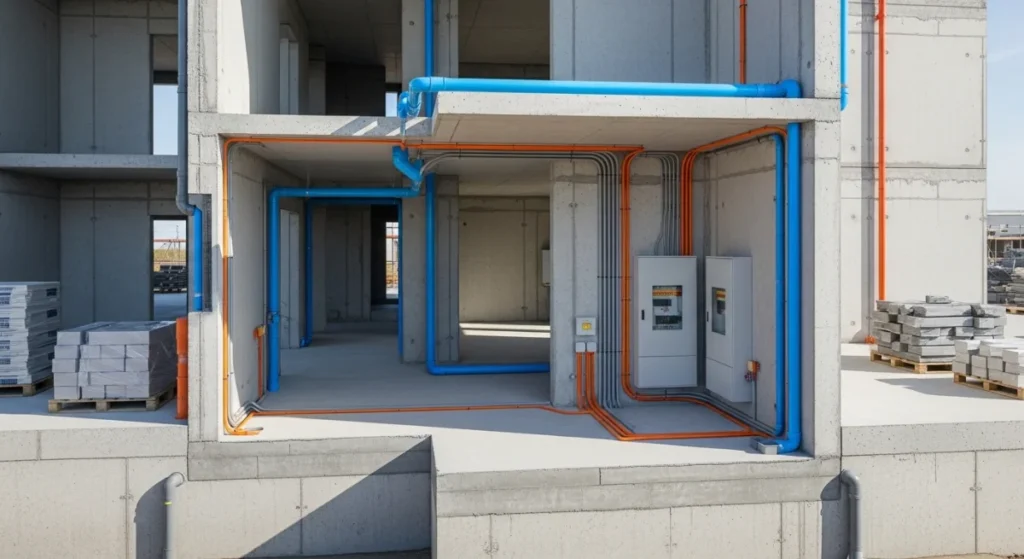
Once structural work is complete, internal systems are installed.
This includes:
- Water supply piping
- Drainage and septic system
- Electrical wiring and distribution board
- Internet and cable ducts
- Rainwater drainage
Proper planning at this stage avoids future wall breaking and leakage issues. Using certified electricians and plumbers ensures safety compliance.
Step 9: Finishing and Interior Work
Finishing defines the final appearance of your home.
Common finishing works:
- Floor tiling or marble
- Wall plaster and painting
- Door and window installation
- Kitchen cabinets
- Bathroom fixtures
- False ceiling and lighting
This is where homeowners often overspend. Choosing durable but locally available materials helps control cost without sacrificing quality.
Step 10: Final Inspection and Completion Certificate
After construction, municipalities may conduct final inspection before issuing a completion certificate.
This confirms:
- Construction matches approved drawings
- Safety compliance maintained
- No setback violations
A completion certificate is important for:
- Utility connections
- Property resale
- Home loans
- Insurance coverage
Skipping this step can cause legal issues in the future.
Nepal Building Laws and Regulations Overview
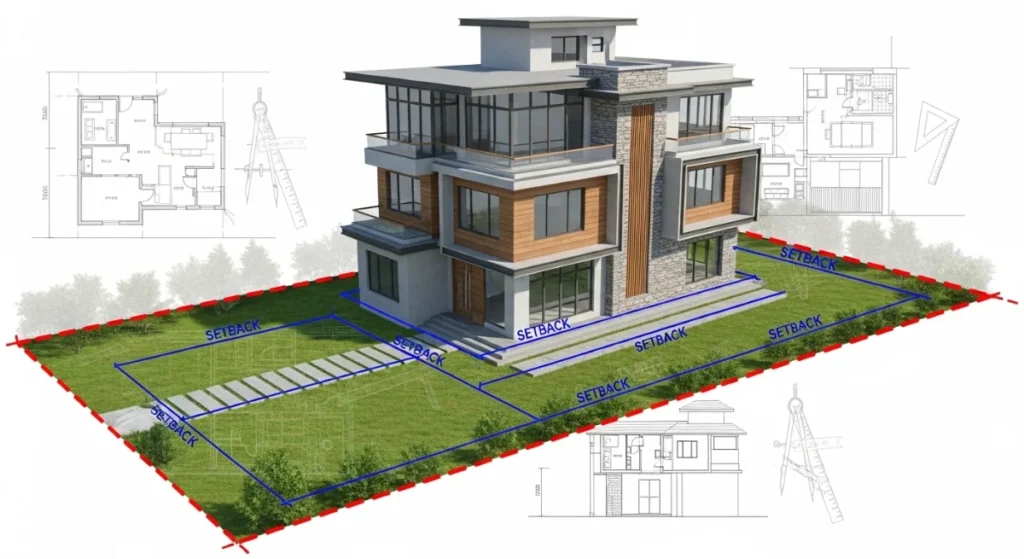
Residential building construction in Nepal follows national and municipal regulations. While exact rules vary by city, major legal frameworks include:
Nepal National Building Code
Defines earthquake-resistant design standards and structural safety requirements.
Municipality Building Bylaws
Regulate building height, floor count, setbacks, plot coverage, and parking requirements.
Land Use Regulation
Controls whether land is approved for residential use.
Road Setback Rules
Defines minimum distance from road edge depending on road width.
FAR and Ground Coverage Rules
Limits how much of your land can be built upon.
Failure to follow these regulations can lead to permit rejection or forced demolition.
Because bylaws differ by municipality, always consult local engineers familiar with your area’s current rules.
Earthquake Safety Requirements
Nepal’s building regulations emphasize seismic safety due to frequent earthquakes.
Important safety practices:
- RCC framed structure
- Proper column beam connections
- Shear walls where required
- Quality steel reinforcement
- Controlled slab spans
- Licensed structural design
Never compromise on structural design to save cost. Earthquake safety protects lives and property.
Common Mistakes Homeowners Make
Many construction problems arise from avoidable mistakes.
Typical errors include:
- Starting construction without permit
- Hiring unlicensed designers
- Ignoring soil test results
- Making design changes during construction
- No written contract with contractor
- Using substandard steel or cement
- Lack of site supervision
Being informed and involved in your project prevents most of these issues.
Timeline for Residential Construction in Nepal
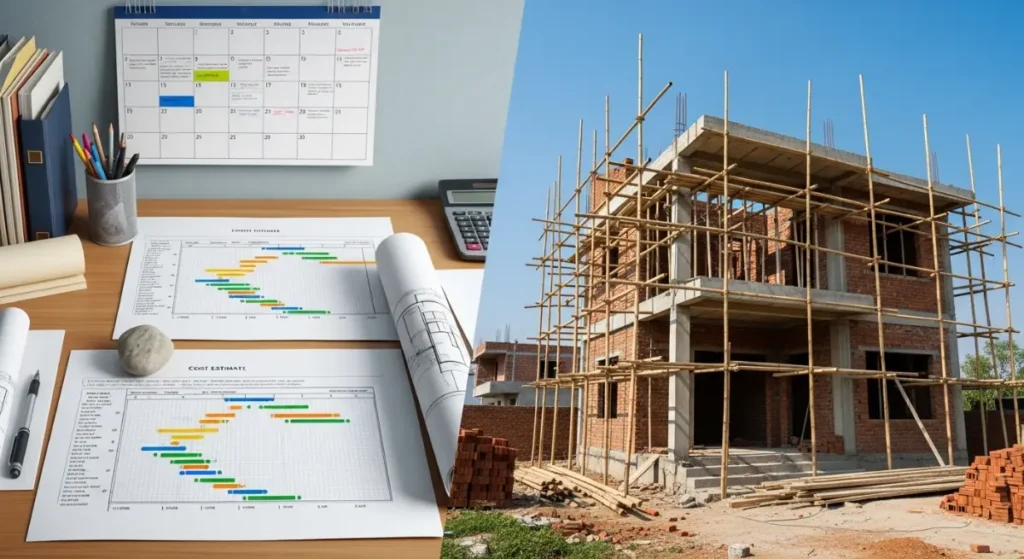
Project duration depends on house size, design, and weather conditions.
Typical timeline:
- Design and approvals: 1 to 3 months
- Structural work: 3 to 6 months
- Finishing: 2 to 4 months
Total average duration: 6 to 12 months
Delays usually happen due to permit processing, monsoon rains, or material shortages. Planning buffer time helps.
Financing Your Home Construction
Homeowners in Nepal use:
- Personal savings
- Home construction loans
- Land-backed loans
- Cooperative financing
Banks usually require:
- Approved building permit
- Cost estimate
- Land ownership documents
Having proper legal approvals speeds up loan approval.
Why Hiring Professionals Matters
A house is a long-term investment. Hiring licensed architects, civil engineers, and professional contractors ensures:
- Legal compliance
- Structural safety
- Cost control
- Project discipline
- Long-term durability
Trying to save money by avoiding professionals often increases cost later through repairs or legal penalties.
Future Trends in Nepal Residential Construction
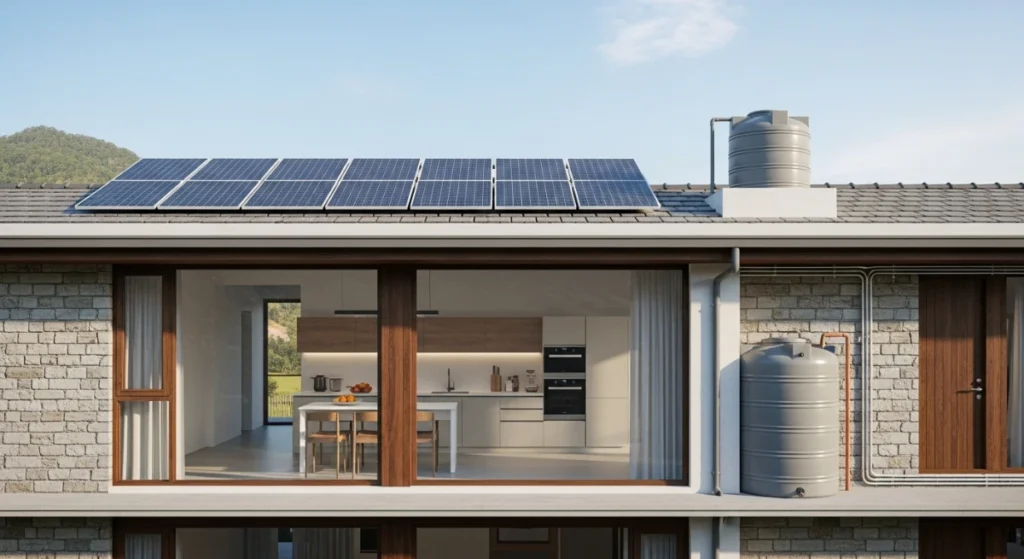
Modern residential projects in Nepal increasingly include:
- Earthquake-resilient design
- Solar water heating
- Rainwater harvesting
- Energy-efficient windows
- Modular kitchens
- Smart home wiring
Including these features during design stage is cheaper than adding them later.
Final Thoughts
Building a home in Nepal is achievable when approached with the right knowledge and planning. Understanding the legal requirements, cost structure, and construction process protects you from costly mistakes and stress.
From land verification to final inspection, each step plays a role in creating a safe, legal, and comfortable home. Always work with qualified professionals, follow municipal rules, and plan your budget wisely.
A well-built house is not just concrete and steel. It is a secure foundation for your family’s future. For expert guidance on residential building construction in Nepal, detailed planning, and reliable contractors, visit rgcreationsnepal.com. Your dream home can become a reality with the right team by your side.
Frequently Ask Questions (FAQs)
What is Residential Building Construction in Nepal?
Residential Building Construction in Nepal refers to the complete process of planning, designing, approving, and building homes for living purposes.
The concept of Residential Building Construction in Nepal includes everything from land verification, soil testing, architectural design, and municipality approval to final finishing and inspection. Understanding Residential Building Construction in Nepal is important because it ensures your house is safe, legal, and cost-efficient.
Why is planning important in Residential Building Construction in Nepal?
Planning is a key part of Residential Building Construction in Nepal because it helps control cost, improve design efficiency, and avoid legal issues.
Without proper planning in Residential Building Construction in Nepal, homeowners may face delays, budget overruns, and permit rejection from municipalities.
How much does Residential Building Construction in Nepal cost?
The cost of Residential Building Construction in Nepal depends on location, materials, design complexity, and finishing quality.
On average, urban areas like Kathmandu have higher costs due to labor and transportation. Proper budgeting is essential in Residential Building Construction in Nepal to avoid financial pressure during construction.
Is soil testing necessary for Residential Building Construction in Nepal?
Yes, soil testing is highly recommended in Residential Building Construction in Nepal, especially in earthquake-prone areas.
Soil analysis ensures the foundation design is safe and suitable for the land. Ignoring soil testing in Residential Building Construction in Nepal can lead to structural risks and long-term damage.
What permits are required for Residential Building Construction in Nepal?
For Residential Building Construction in Nepal, you need approval from your local municipality, including building drawings, land ownership documents, and sometimes soil test reports.
Without proper permits, Residential Building Construction in Nepal may face legal penalties or even demolition orders.
How long does Residential Building Construction in Nepal take?
The timeline for Residential Building Construction in Nepal usually ranges from 6 to 12 months depending on house size, weather conditions, and approval delays.
Proper planning in Residential Building Construction in Nepal helps reduce unnecessary delays and ensures smooth project execution.
What are common mistakes in Residential Building Construction in Nepal?
Common mistakes in Residential Building Construction in Nepal include starting without permits, ignoring soil tests, hiring unqualified contractors, and making frequent design changes.
Avoiding these mistakes in Residential Building Construction in Nepal helps ensure safety, quality, and cost control.
Why should professionals be hired for Residential Building Construction in Nepal?
Hiring professionals for Residential Building Construction in Nepal ensures structural safety, legal compliance, and proper cost management.
Experts in Residential Building Construction in Nepal help you avoid mistakes that can lead to expensive repairs or legal issues later.