Kathmandu has its own way of shaping spaces. Some homes are compact and need smart storage. Some offices need to look professional without feeling stiff. Restaurants need atmosphere, comfort and customer flow. Hotels, resorts, banquet halls and other commercial spaces need interiors that look good, work hard and stay durable over time.
Choosing the right company for interior design in Kathmandu is not just about finding someone who can make a room look attractive. It is about finding a team that understands layout, lighting, materials, budget, execution and the way people will actually use the space every day.
As Kathmandu continues to expand with new residential, commercial and hospitality developments, demand for professional interior design has grown. Not every firm offers the same level of expertise. Some focus mainly on concepts and visual presentations, while others provide complete design and execution solutions that include planning, material selection, construction coordination and project management. Before hiring an interior design company in Nepal, here is what you should check.
Table of Contents
Why the Right Interior Design Company Matters
A well-designed space should feel natural when you walk into it. Furniture should not block movement. Lighting should match the mood and purpose of the room. Storage should be planned before the space becomes cluttered. Materials should not only look good on day one, but also handle daily use.
This matters even more in Kathmandu, where site conditions, access, material availability and budget expectations vary from one project to the next. A good design team will not just show you beautiful references. They will explain what is practical for your space, your location and your long-term use.
Whether you are planning a home, an office, a restaurant or a larger hospitality or commercial space, the company you choose should be able to balance design with real execution.
1. Check Their Portfolio and Project Experience
A company's completed work tells you more than a sales pitch. By reviewing real projects, you can assess the quality of execution, attention to detail and whether the design style fits your expectations.
Look for projects similar to yours. If you are designing a home, check whether they have handled living rooms, bedrooms, kitchens and family spaces. If you are opening a restaurant, check whether they understand seating flow, lighting and service areas. If you are planning a commercial or hospitality project, check whether they have worked on offices, showrooms, hotels, resorts or event venues.
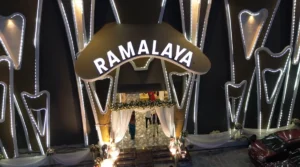
This is where it helps to look at completed work rather than design promises alone. RG Creations Nepal has worked across residential, commercial and hospitality projects in Nepal, including Rambagh Mahal Luxury Banquet Hall, Majestic Grand Nepal, Ramalaya Event Venue Hall, Imperial Banquet Hall, Mandala Moments Event Venue and Royal Empire Boutique Hotel. These projects show how the team handles different space types, from event venues and boutique hotels to commercial interiors and hospitality environments.
Experience matters because every project brings its own challenges. Site conditions, accessibility, local regulations and budget expectations vary significantly from one project to another, and a company with proven experience is better placed to anticipate issues and maintain quality throughout.
2. Look at Their Space Planning Approach
Good interior design starts with planning, not decoration. Before colours, wall panels, furniture or lighting are chosen, the design team should understand how the space will actually be used. In a home, that means looking at family movement, natural light, privacy, storage and comfort. In an office, it means planning workstations, meeting rooms, reception areas and team flow. In a restaurant, it means thinking through customer movement, seating layout, kitchen access and service routes.
This is where many average designs fall short. A room may look good in photos but feel uncomfortable in daily use. A sofa may be beautiful but too large for the space. A reception area may look premium but fail to guide visitors properly. These issues often only become obvious after the project is finished, which is why planning deserves attention before the visual design begins.
3. Ask If They Provide 3D Design and Visualisation
Most clients find it hard to picture a finished space from a flat drawing. A professional team should be able to show layout, furniture placement, ceiling design, lighting concept, colour palette and material direction before execution begins. This gives you a clear idea of what you are approving and reduces confusion later.
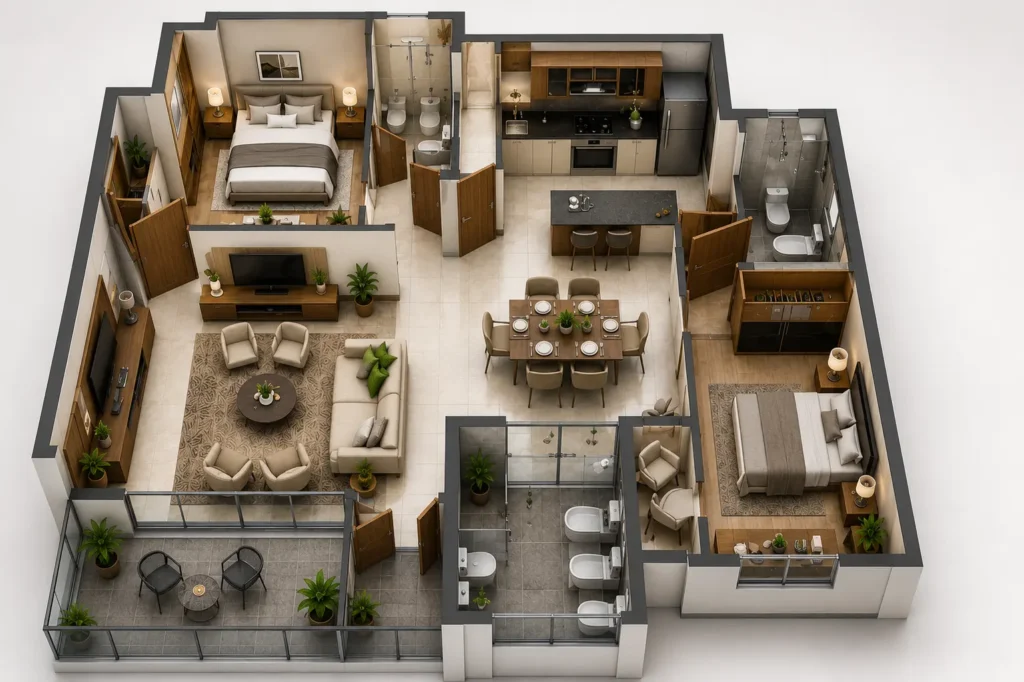
For homeowners, this helps visualise living rooms, bedrooms, kitchens and dining areas. For business owners, it helps you understand how customers or staff will experience the space. For restaurants and hospitality venues, it helps finalise ambiance, seating and feature areas before work starts on site. If a company only talks about ideas without showing them clearly, the project can become difficult to manage once execution begins.
4. Check Their Material and Furniture Knowledge
The same design concept can look premium or ordinary depending on the materials, finishes and furniture used. In Kathmandu, this matters more than it might elsewhere, because not every material shown in a reference image is easily sourced locally or suited to every budget. A good designer should know what can be sourced locally, what needs to be imported, what holds up well over time, and what becomes difficult to maintain.
Flooring, wall finishes, lighting, false ceilings, custom furniture, fabric, hardware and surface materials all affect the final look and lifespan of a space. For homes, material choices should suit daily family use. For commercial spaces, materials need to handle more foot traffic. For restaurants, hotels and event spaces, durability and maintenance matter just as much as appearance. A strong design company should guide you toward materials that fit your goals, budget and long-term use.
5. Discuss the Budget Before Starting
Budget clarity is one of the most important parts of any interior project. Many clients start with a visual idea without fully understanding what drives the cost. Pricing can shift depending on the size of the space, the type of property, the level of custom furniture, material selection, lighting, ceiling work, wall finishes, electrical changes and labour requirements. That does not mean every project needs to be expensive; it means the budget should be discussed honestly from the start.
Before hiring, ask exactly what is included. Does the quote cover design only? Does it include 3D visuals? Are materials and furniture priced separately? Who manages labour and site execution, and what happens if changes come up mid-project? A good company will help you see where to spend, where to save, and which decisions carry the most weight for the final result.
6. Check If They Can Manage Execution, Not Just Design
Some designers only provide the concept, leaving the client to find contractors, furniture makers, electricians and other tradespeople separately. That can work for small projects, but for larger homes, offices, restaurants and commercial spaces it often creates confusion. A design may look one way on paper and turn out differently on site simply because execution was never properly coordinated.
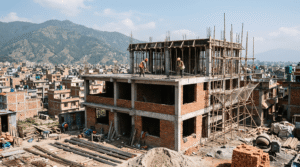
A full-service team can support design, material selection, furniture planning, site coordination, construction support and final handover, which is especially useful when a project involves both interior work and structural or architectural changes. If your project needs more than surface-level decoration, it is worth choosing a team that understands architectural and interior services, construction project management and commercial construction together. This reduces miscommunication and gives the project clearer direction from planning through to completion.
7. Make Sure They Understand Your Type of Space
Not every interior project should be approached the same way. A home, an office, a restaurant and a hotel all call for different thinking.
Home Interior Design in Kathmandu
For homes and apartments, comfort comes first. The design should support the way the family actually lives. Living rooms need good seating flow. Bedrooms need privacy, storage and calm lighting. Kitchens need practical movement, and dining areas should feel connected without feeling crowded. Good home design is not about filling every corner; it is about making the space feel balanced and easy to use.
Office Interior Design in Kathmandu
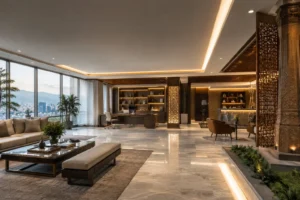
An office should support productivity and brand image at the same time. Reception areas, meeting rooms, staff seating, cabins, lighting, acoustics and storage all need to be planned with care. A well-planned office helps create a workspace that feels professional and comfortable for both employees and visitors.
Restaurant and Hospitality Interior Design
Restaurants, cafes, hotels, resorts and event venues depend heavily on atmosphere. The interior needs to guide how guests feel, move and spend time inside the space. Layout, lighting, seating comfort, kitchen access, service flow and material durability all matter, and a good design company should understand both the creative and operational sides of hospitality.
Commercial Interior Design
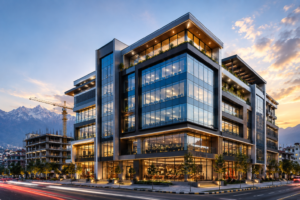
For showrooms, retail spaces, offices and event venues, the design should support business goals. The space should look impressive, but it also needs to be easy to maintain, easy to navigate and suitable for daily operations. This is where genuine experience in commercial interior design makes a visible difference.
8. Review Their Process Before Hiring
A professional company should have a clear process that helps avoid confusion and keeps the project moving. A proper process usually includes:
• Initial consultation
• Site visit and measurement
• Requirement discussion
• Layout planning
• Concept development
• 3D design or visualisation
• Material and furniture selection
• Budget planning
• Execution and site supervision
• Final finishing and handover
Before hiring, ask how the company handles each stage. Who is your main point of contact? How often will updates be shared? How are changes managed, and who checks the work on site? A clear process is often the difference between a smooth project and a stressful one.
Questions to Ask Before Hiring an Interior Design Company in Kathmandu
Before making a final decision, ask:
• Have you worked on similar projects before?
• Can I see your completed project portfolio?
• Do you provide 3D designs before execution?
• What is included in your interior design service?
• Do you help with furniture and materials?
• Can you manage the full execution?
• How do you handle budget changes?
• What is the expected timeline?
• Who will supervise the site?
• Do you work on homes, offices, restaurants and commercial spaces?
These questions will help you understand whether a company is focused only on appearance, or whether it can manage the full design journey properly.
Why RG Creations Nepal Can Help
RG Creations Nepal works across architecture, interior design, engineering, construction and project execution. This gives clients a more complete approach, especially when a project needs more than decoration. For homeowners, the team can plan practical and refined interiors that suit everyday living. For business owners, RG Creations can support offices, restaurants, hotels, resorts, banquet halls, event venues and other commercial spaces, where design needs to support both brand image and daily function.
With completed work including Rambagh Mahal Luxury Banquet Hall, Majestic Grand Nepal, Ramalaya Event Venue Hall,Imperial Banquet Hall, Mandala Moments Event Venue, Sangam Batika and Royal Empire Boutique Hotel, RG Creations Nepal has visible, on-the-ground experience connecting design ideas with real site execution across residential, commercial and hospitality projects in Nepal.
Final Thoughts
Interior design is not only about how a space looks in photos. It is about how the space works, how it feels, how long it lasts and how well it supports the people using it every day.
Before hiring a company for interior design in Kathmandu, take time to review their portfolio, process, material knowledge, budget planning and execution support. The right team will not rush straight into decoration. They will first understand your space, your goals and the practical details that shape the final result.
Ready to Discuss Your Interior Project?
If you are looking for a trusted interior design company in Kathmandu, RG Creations Nepal offers a complete design-build approach that combines creativity, technical expertise and professional execution. Contact our team today to discuss your project requirements.
Frequently Asked Questions
1. What should I check before hiring an interior design company in Kathmandu?
Check their completed portfolio, design process, space planning approach, 3D visualisation, material knowledge, budget clarity and execution support. It is also worth confirming whether they have experience with projects similar to yours.
2. How much does interior design cost in Kathmandu?
Cost depends on the size of the space, type of property, material selection, furniture requirements, design complexity and whether execution is included. A professional company should explain these cost factors clearly before the project begins.
3. What is the difference between interior decoration and interior design?
Decoration focuses mainly on aesthetics, including furniture, colours and accessories. Interior design is broader, and includes space planning, functionality, lighting design, material selection and technical coordination. A successful project usually combines both.
4. Do interior designers in Kathmandu provide 3D designs?
Many professional companies provide 3D designs, layout plans or visual concepts before execution. This helps clients understand the final look and make changes before site work begins.
5. Can one company handle both interior design and construction?
Yes. A design-build company can manage interior design, materials, construction coordination, site supervision and handover under one management structure. This can make larger homes, offices and commercial projects considerably easier to manage.
6. What should businesses consider for office interior design in Kathmandu?
Office design should focus on employee productivity, collaboration, comfort, brand image, lighting quality, acoustics, storage and future scalability. A well-planned office can improve workflow and the overall professional image of a business.
7. What makes hospitality interior design different from residential design?
Hospitality projects such as hotels, resorts, banquet halls and restaurants need a stronger focus on guest experience, operational efficiency, maintenance and circulation, since these spaces support high daily usage as well as visual appeal.
8. Why choose RG Creations Nepal for interior design in Kathmandu?
RG Creations Nepal offers a design-build approach that integrates architecture, interior design, engineering, construction and project execution, with completed work including Rambagh Mahal Luxury Banquet Hall, Majestic Grand Nepal, Ramalaya Event Venue Hall, Imperial Banquet Hall, Mandala Moments Event Venue and Royal Empire Boutique Hotel.